
Hallucinogenic Plants: A Golden Guide ⸺ Article Plan (04/07/2026)
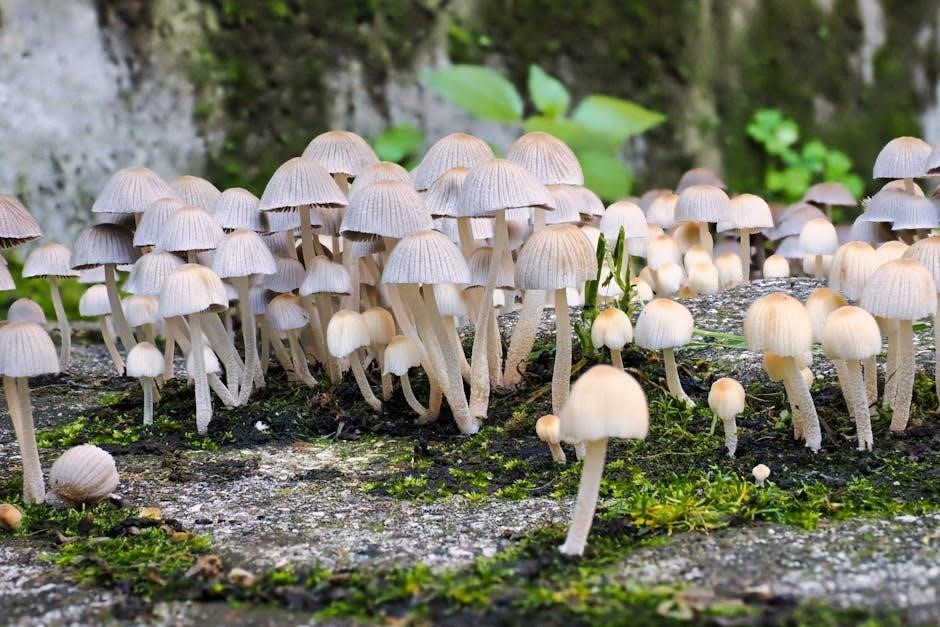
This guide‚ dated today‚ 04/07/2026‚ explores the botanical details‚ effects‚ and legal aspects of plants like Datura‚ Cannabis‚ and Psilocybin mushrooms.
Hallucinogenic plants have a long and complex history‚ interwoven with human culture‚ spirituality‚ and medicinal practices across the globe. This guide delves into the fascinating world of these plants‚ examining their botanical origins‚ psychoactive properties‚ and the profound effects they can have on the human mind. From the ancient rituals involving Ayahuasca to the modern exploration of Psilocybin mushrooms‚ these plants have consistently captivated and challenged our understanding of consciousness.
However‚ alongside their potential benefits‚ these plants also carry significant risks. Understanding the toxic principles‚ potential side effects‚ and legal implications is crucial for responsible exploration and harm reduction. This guide aims to provide a comprehensive overview‚ balancing historical context with contemporary scientific knowledge.
Historical and Cultural Significance
For millennia‚ hallucinogenic plants have held central roles in numerous cultures‚ serving as integral components of religious ceremonies‚ healing practices‚ and rites of passage. Indigenous communities in the Americas‚ for example‚ have traditionally utilized Peyote and Ayahuasca for spiritual insight and medicinal purposes. Similarly‚ various cultures across Asia and Africa have incorporated plants like Iboga into their traditional rituals.
These plants weren’t merely consumed; they were revered as pathways to connect with the divine‚ explore inner worlds‚ and gain wisdom. Their use often involved complex protocols and guided experiences‚ highlighting a deep understanding of their potent effects.
Understanding Hallucinogenic Principles
Hallucinogenic effects stem from complex interactions between plant-derived compounds and the human brain‚ primarily affecting neurotransmitter systems. Substances like mescaline (from Peyote)‚ psilocybin (from mushrooms)‚ and THC (from Cannabis) mimic or influence serotonin and other crucial neurochemicals.
This disruption alters perception‚ cognition‚ and emotional states‚ leading to hallucinations‚ altered time perception‚ and profound psychological experiences. Understanding these mechanisms is crucial for assessing both the potential benefits and inherent risks associated with these powerful plants.
Key Hallucinogenic Plants
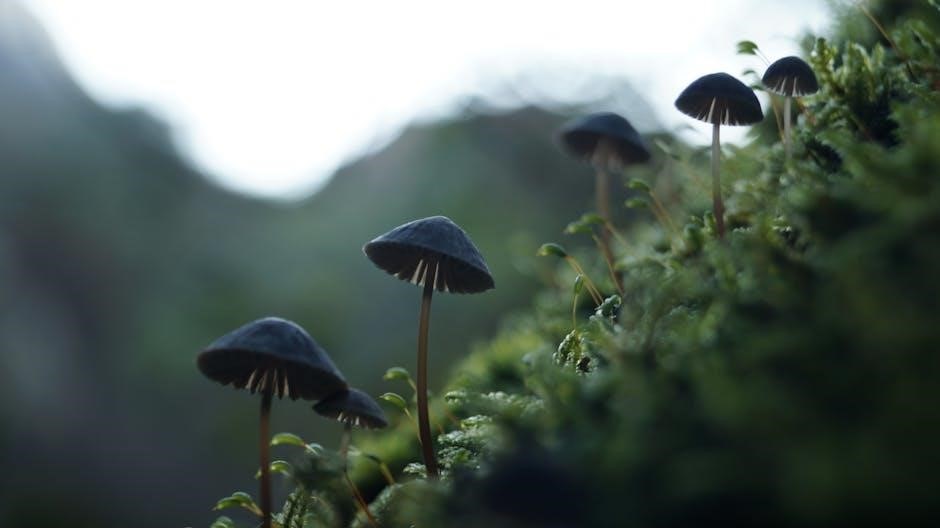
This section details prominent species – Datura‚ Cannabis‚ and Psilocybin mushrooms – examining their unique properties‚ active compounds‚ and associated effects on perception.
Datura: The Devil’s Trumpet
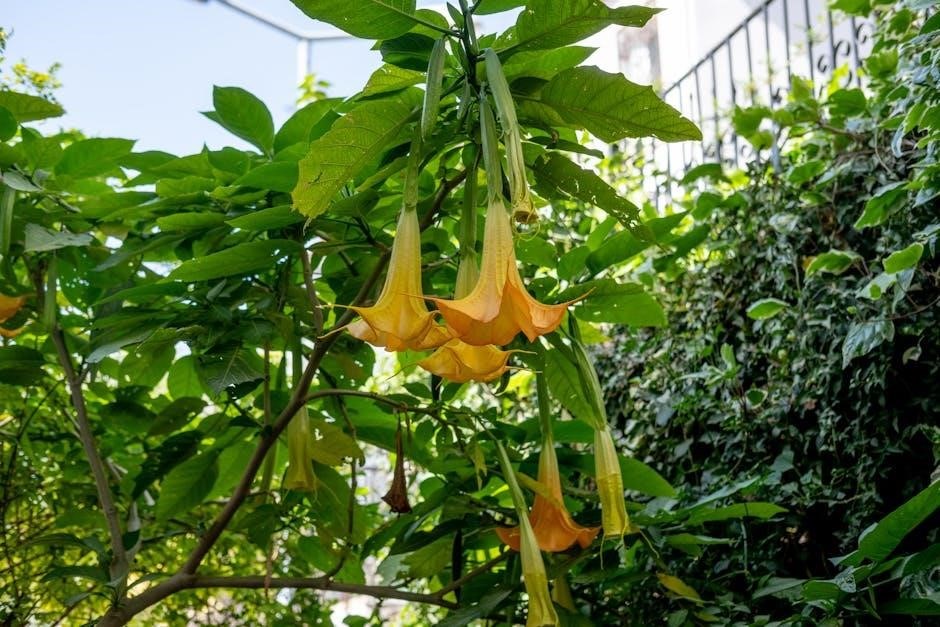
Datura‚ known as the Devil’s Trumpet‚ presents a significant risk due to its potent toxicity. This plant contains dangerous levels of atropine and scopolamine‚ impacting neurological functions.
Its use can induce intense hallucinations‚ delirium‚ and even life-threatening complications. Long-term abuse may lead to psychological dependence and physical health issues‚ including reduced sperm count and infertility.
Careful botanical identification is crucial‚ as misidentification can have severe consequences. Understanding the clinical effects and legal implications surrounding Datura is paramount for safety.
Botanical Description and Identification
Datura species are characterized by large‚ trumpet-shaped flowers‚ typically white or purple‚ and a distinctive‚ unpleasant odor. These plants exhibit a coarse‚ hairy texture on their stems and leaves.
Accurate identification is critical‚ as several similar-looking plants exist. Key features include the plant’s height‚ leaf shape‚ and flower structure. Seed pods are spiny and contain numerous small seeds.
Misidentification can lead to accidental ingestion‚ resulting in severe poisoning. Detailed pictorial guides and expert consultation are recommended for reliable identification in the field;
Toxic Principles: Atropine and Scopolamine
Datura’s primary toxic components are atropine and scopolamine‚ potent anticholinergic alkaloids. These compounds disrupt the parasympathetic nervous system‚ leading to a cascade of physiological effects.
Atropine blocks acetylcholine receptors‚ causing dilated pupils‚ increased heart rate‚ and reduced secretions. Scopolamine‚ similarly‚ intensifies these effects and contributes to hallucinations and delirium.
The concentration of these alkaloids varies depending on plant part‚ growing conditions‚ and individual plant genetics‚ making dosage prediction extremely difficult and dangerous.
Effects and Risks of Datura Use
Datura ingestion induces a profound and unpredictable delirium‚ characterized by intense hallucinations‚ disorientation‚ and altered perception of reality. Physical effects include rapid heartbeat‚ dry mouth‚ blurred vision‚ and urinary retention.
Overdose can lead to severe complications like hyperthermia‚ seizures‚ coma‚ and even death. The experience is often intensely unpleasant‚ described as terrifying and physically debilitating.
Long-term use carries risks of psychological dependence and potential cognitive impairment. Due to its toxicity and unpredictable effects‚ Datura is considered highly dangerous.
Cannabis: The Multifaceted Plant
Cannabis‚ a widely recognized plant‚ boasts a complex history of both recreational and medicinal use. Its diverse varieties‚ including Sativa and Indica‚ exhibit unique characteristics in appearance and effect.
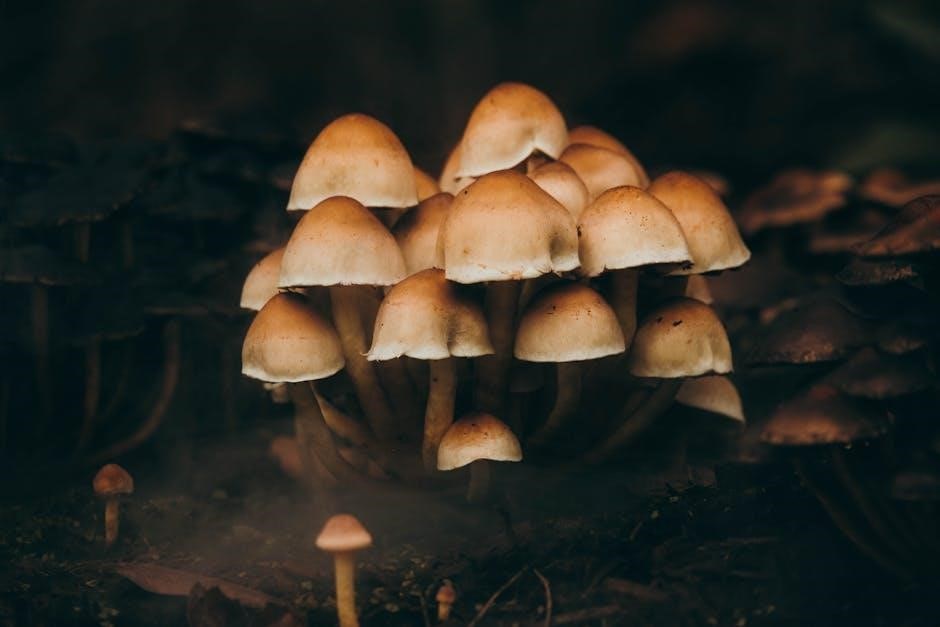
Beyond its psychoactive properties‚ cannabis is increasingly studied for potential therapeutic applications‚ ranging from pain management to neurological disorders. However‚ long-term use can lead to psychological dependence.
Understanding the plant’s multifaceted nature is crucial‚ considering its evolving legal status and ongoing research into its benefits and risks.
Botanical Varieties and Identification
Cannabis sativa typically presents as a tall plant with narrow leaves‚ originating in warmer climates‚ while Cannabis indica is shorter‚ bushier‚ and thrives in cooler regions. Hybrids combine traits from both.
Identification relies on leaf shape – palmate with serrated edges – and the plant’s overall structure; Dioecious nature means separate male and female plants exist‚ crucial for cultivation.
Distinguishing features aid in recognizing varieties‚ though modern breeding creates diverse phenotypes‚ complicating precise identification without expert knowledge.
Active Compounds: THC and CBD
Δ9-Tetrahydrocannabinol (THC) is the primary psychoactive component in cannabis‚ responsible for the euphoric “high” and altering perceptions. It binds to cannabinoid receptors in the brain‚ influencing mood‚ cognition‚ and pain sensation.
Cannabidiol (CBD)‚ conversely‚ is non-psychoactive and exhibits diverse therapeutic properties‚ including anti-inflammatory‚ analgesic‚ and anxiolytic effects.
The ratio of THC to CBD varies significantly between cannabis strains‚ impacting the overall experience and potential medicinal benefits.
Psychoactive Effects and Medical Applications
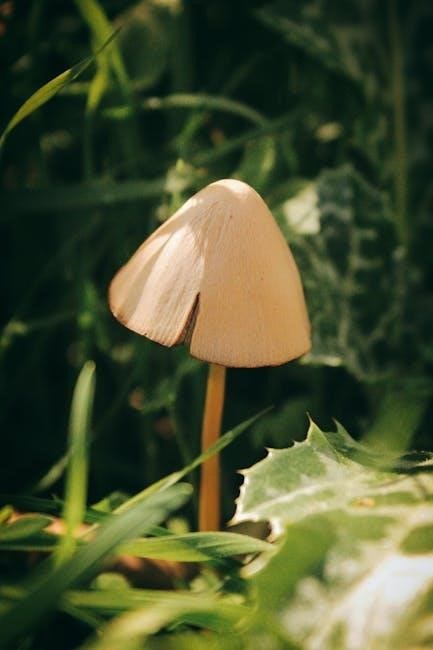
Cannabis induces a range of psychoactive effects‚ from euphoria and relaxation to altered sensory perception and cognitive impairment‚ dependent on dosage and individual sensitivity.
Medically‚ cannabis demonstrates efficacy in managing chronic pain‚ nausea (particularly during chemotherapy)‚ spasticity associated with multiple sclerosis‚ and certain seizure disorders.
Research continues to explore its potential in treating anxiety‚ depression‚ and neurodegenerative diseases‚ though further studies are crucial to confirm these benefits.

Psilocybin Mushrooms: Magic Mushrooms
Psilocybin mushrooms‚ often called “magic mushrooms‚” have a long history of spiritual and recreational use. Their effects are profoundly impactful‚ altering perception‚ mood‚ and cognitive processes.
Recent research highlights potential therapeutic applications‚ particularly in treating depression‚ anxiety‚ and addiction‚ offering promising avenues for mental health interventions.
However‚ responsible use and understanding the risks are paramount‚ as adverse reactions can occur‚ and legal status varies significantly worldwide.
Species Identification and Habitat
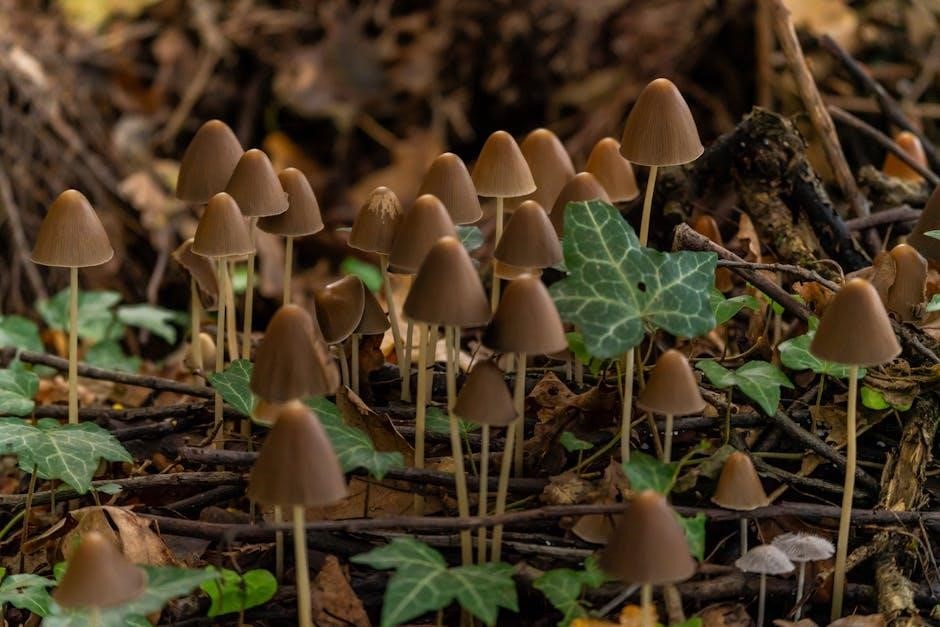
Identifying psilocybin mushroom species requires expertise‚ as many look similar to poisonous varieties. Psilocybe cubensis is commonly known‚ thriving in subtropical and tropical regions on dung and enriched soils;
Other species‚ like Psilocybe semilanceata‚ prefer grassy fields in cooler climates.
Habitat plays a crucial role; moisture‚ substrate‚ and temperature influence growth. Accurate identification is vital to avoid accidental poisoning‚ emphasizing caution and expert guidance.
Psilocybin and Psilocin: The Active Ingredients
Psilocybin mushrooms’ psychoactive effects stem from psilocybin and psilocin‚ naturally occurring tryptamines. Psilocybin converts to psilocin in the body‚ primarily affecting serotonin receptors in the brain.
This interaction alters perception‚ mood‚ and cognitive processes‚ leading to hallucinations and altered states of consciousness.
Concentrations vary significantly between species and even within the same mushroom‚ influencing potency and effects.
Effects‚ Risks‚ and Potential Therapeutic Uses
Psilocybin mushrooms induce visual and auditory hallucinations‚ altered thinking‚ and spiritual experiences. Risks include anxiety‚ panic attacks‚ and temporary psychosis‚ especially in predisposed individuals.
“Bad trips” can occur‚ requiring a supportive environment.
However‚ research suggests therapeutic potential for depression‚ anxiety‚ and addiction‚ with controlled psilocybin-assisted therapy showing promising results.
Further study is crucial to fully understand benefits and minimize risks.
Other Notable Hallucinogenic Plants
Beyond the common ones‚ plants like Ayahuasca‚ Peyote‚ San Pedro‚ and Iboga offer unique psychoactive experiences with deep cultural and spiritual roots.
Ayahuasca: The Vine of the Soul
Ayahuasca’s preparation involves combining the Banisteriopsis caapi vine with leaves containing DMT‚ typically from the Psychotria viridis shrub. This traditional Amazonian brew holds immense spiritual significance for indigenous cultures‚ utilized in ceremonies guided by experienced shamans. Pharmacologically‚ MAO inhibitors in B. caapi allow DMT to become orally active‚ inducing profound altered states of consciousness.
However‚ safety concerns are paramount; interactions with medications and pre-existing conditions pose risks. Careful screening and responsible guidance are crucial when considering Ayahuasca’s use.
Composition and Preparation
Ayahuasca’s core composition centers around the Banisteriopsis caapi vine‚ providing monoamine oxidase inhibitors (MAOIs) essential for activating the psychoactive compound DMT. This vine is typically combined with leaves from plants like Psychotria viridis‚ a rich source of DMT. Preparation is a meticulous process‚ often involving hours of boiling and decocting the ingredients.
Traditional methods vary‚ incorporating specific chants and rituals. The resulting brew is a dark‚ viscous liquid‚ consumed during ceremonial settings under the guidance of an experienced shaman.
Traditional Use and Spiritual Significance
For centuries‚ indigenous cultures of the Amazon basin have revered Ayahuasca as a sacred medicine‚ a “vine of the soul.” It’s central to spiritual practices‚ used for healing‚ divination‚ and connecting with the spirit world. Shamans‚ or curanderos‚ guide participants through profound introspective journeys.
Ayahuasca ceremonies are believed to facilitate emotional release‚ address trauma‚ and offer insights into life’s purpose. The experience is deeply personal and culturally embedded‚ fostering community and ancestral connection.
Pharmacological Effects and Safety Concerns
Ayahuasca’s effects stem from the synergistic interaction of DMT (in the Psychotria viridis leaf) and MAOIs (monoamine oxidase inhibitors) from the Banisteriopsis caapi vine. This combination allows DMT to become orally active‚ inducing intense visual and auditory hallucinations‚ altered perceptions of reality‚ and profound emotional experiences.
Safety concerns include potential interactions with medications‚ particularly antidepressants‚ and risks for individuals with pre-existing heart conditions or mental health issues. Careful screening and experienced guidance are crucial.
Peyote and San Pedro Cacti
These cacti‚ revered for centuries‚ contain mescaline‚ the primary psychoactive compound responsible for their hallucinogenic effects. Peyote (Lophophora williamsii) holds deep cultural and religious significance for Native American tribes‚ utilized in sacred ceremonies for healing and spiritual insight.
San Pedro (Echinopsis pachanoi) is similarly used in Andean traditions; Effects include altered perception‚ visual distortions‚ and introspective experiences‚ but legal status varies significantly‚ often restricted due to mescaline’s controlled substance classification.
Mescaline: The Primary Psychoactive Compound
Mescaline‚ a phenethylamine alkaloid‚ is the principal component driving the hallucinogenic properties of Peyote and San Pedro cacti. It acts as a serotonin receptor agonist‚ profoundly impacting neural activity and altering perception.
Its effects typically manifest as vivid visual and auditory hallucinations‚ alongside intense emotional and spiritual experiences. The potency varies based on cactus species and preparation methods‚ influencing dosage and duration of effects. Understanding its pharmacology is crucial for assessing both risks and potential therapeutic applications.
Cultural and Religious Importance
Peyote and San Pedro cacti hold profound spiritual significance for numerous Indigenous cultures in North and South America‚ particularly among Native American tribes. For centuries‚ these plants have been central to religious ceremonies‚ healing practices‚ and communal bonding.
Used within carefully prescribed rituals‚ they facilitate communication with the spirit world‚ offer guidance‚ and promote collective well-being. Respect for tradition and responsible stewardship are paramount‚ highlighting the deep cultural connection to these sacred plants.
Effects and Legal Status
Iboga‚ containing ibogaine‚ induces intense visual and auditory hallucinations‚ often accompanied by profound introspection and altered states of consciousness. Traditionally‚ it’s used in Bwiti rituals for spiritual initiation and healing. However‚ modern applications explore its potential in addiction treatment‚ though research is ongoing.
Legally‚ iboga and ibogaine are complex. Many countries classify them as controlled substances‚ restricting their use. Despite potential benefits‚ risks necessitate careful consideration and legal compliance.
Iboga: A Powerful African Plant
Iboga‚ originating from Africa‚ holds significant cultural and spiritual importance‚ particularly within the Bwiti tradition. The plant’s root bark contains ibogaine‚ a potent psychoactive compound. Historically‚ it’s been used in initiation ceremonies‚ healing rituals‚ and for connecting with ancestral spirits.
Modern interest stems from ibogaine’s potential to interrupt addiction cycles‚ though its use remains controversial due to inherent risks and legal restrictions. Careful consideration is crucial.
Ibogaine: Its Unique Properties
Ibogaine uniquely interacts with multiple neurotransmitter systems‚ including serotonin‚ dopamine‚ and opioid receptors‚ setting it apart from typical hallucinogens. This complex pharmacology contributes to its potential for disrupting addictive behaviors and addressing psychological trauma.
Research suggests ibogaine can reduce cravings and withdrawal symptoms‚ but its effects are highly variable and dependent on individual factors. It’s not a simple cure‚ and responsible application is paramount due to potential cardiac risks.
Traditional Rituals and Modern Applications
Historically‚ the Bwiti people of Gabon utilized Iboga in sacred initiation ceremonies‚ fostering spiritual connection and community bonding. These rituals involved extended periods of introspection and altered states of consciousness‚ guided by experienced practitioners.
Modern applications explore ibogaine-assisted therapy for addiction‚ particularly opioid dependence‚ and PTSD. However‚ these treatments are often conducted in clinical settings with medical supervision‚ acknowledging the plant’s potent and potentially risky nature.
Risks and Considerations for Iboga Use
Iboga carries significant cardiovascular risks‚ potentially causing arrhythmias and even cardiac arrest‚ especially for individuals with pre-existing heart conditions. Neurological effects‚ including seizures and temporary paralysis‚ are also documented.
Psychological risks involve intense emotional experiences and potential for triggering psychosis in susceptible individuals. Careful screening‚ preparation‚ and integration are crucial. Self-treatment is strongly discouraged due to the plant’s potency and potential for severe adverse effects; professional guidance is essential.
Legal and Safety Considerations
Navigating the legality of these plants is complex‚ with varying regulations globally. Prioritize responsible use‚ understand potential risks‚ and practice harm reduction strategies.
Legality of Hallucinogenic Plants
The legal landscape surrounding hallucinogenic plants is incredibly diverse and often ambiguous‚ varying significantly by country‚ region‚ and even local jurisdictions. Many plants‚ like Peyote and Iboga‚ possess deep cultural and religious significance‚ leading to specific exemptions for traditional practices. However‚ possession‚ cultivation‚ and sale are frequently prohibited.
Cannabis demonstrates a shifting legal status‚ with increasing decriminalization and legalization for medical and recreational use in numerous areas. Psilocybin mushrooms are generally illegal‚ though some cities are exploring decriminalization. Datura and Ayahuasca present complex cases‚ often falling into grey areas depending on the specific compounds and intended use. Understanding these nuances is crucial before engaging with these plants.
Potential Risks and Side Effects
Hallucinogenic plants carry inherent risks‚ ranging from psychological distress to severe physiological effects. Adverse reactions can include anxiety‚ paranoia‚ panic attacks‚ and flashbacks. Physical side effects vary depending on the plant‚ encompassing increased heart rate‚ nausea‚ vomiting‚ and impaired motor skills.
Long-term use may lead to psychological dependence and potential impacts on mental health. Some plants‚ like Datura‚ contain potent toxins causing delirium and potentially life-threatening complications. Responsible use necessitates careful consideration of these risks and potential interactions with pre-existing conditions or medications.
Responsible Use and Harm Reduction
Prioritizing safety is paramount when considering hallucinogenic plant use. Thorough research regarding specific plant effects‚ potential interactions‚ and legal status is crucial. Start with low doses in a safe‚ supportive environment with a trusted sober sitter.
Avoid combining hallucinogens with other substances‚ including alcohol and medications. Mental health considerations are vital; individuals with pre-existing conditions should exercise extreme caution or abstain. Harm reduction strategies include mindful set and setting‚ and seeking medical attention if adverse effects occur.