Cactus Guide: A Comprehensive Overview
Cacti are fantastic additions to gardens, indoors and out, offering diverse varieties from cold-hardy prickly pears to miniature thimble cacti, and are generally easy to care for!
What is a Cactus? Defining Characteristics
Cacti represent a unique plant family, distinguished by several key characteristics․ Primarily, they are succulents, meaning they’ve adapted to store water in their stems, roots, and leaves – though leaves are often reduced to spines! This adaptation allows survival in arid environments․
These plants typically feature a thickened, fleshy stem covered in areoles, small cushion-like structures where spines, flowers, and new branches emerge․ Spines aren’t just for protection; they also help reduce water loss and provide shade․ Cacti exhibit a wide range of growth habits, from towering columnar forms to low-growing, spreading varieties․
Their ability to photosynthesize through their stems is another defining trait, compensating for reduced leaf surface area․ Ultimately, cacti are masters of adaptation, showcasing remarkable resilience in harsh conditions․
The Diverse World of Cacti: Size and Growth Habits
Cacti display an astonishing range in size and growth habits, showcasing nature’s incredible diversity․ They can range from miniature species, like the thimble cactus, comfortably fitting in the palm of your hand, to colossal giants such as the saguaro cactus, reaching heights of over six feet and beyond!
Growth habits are equally varied․ Some cacti grow upright as columns (like Cereus), while others spread horizontally, forming dense mats (Opuntia, or prickly pear)․ Certain species even grow epiphytically, meaning they inhabit trees!
Many cacti are known for their slow growth rate, meaning they can be cherished for decades, gradually transforming over time․ This slow pace contributes to their longevity, with some species, like Chin cacti, living for many years․
Popular Cactus Groups: A Taxonomic Overview
The cactus family is remarkably diverse, encompassing numerous genera and species․ Some of the more commonly recognized groups include Cereus, known for its columnar growth, and Echinocactus, often characterized by its robust, spherical shape․
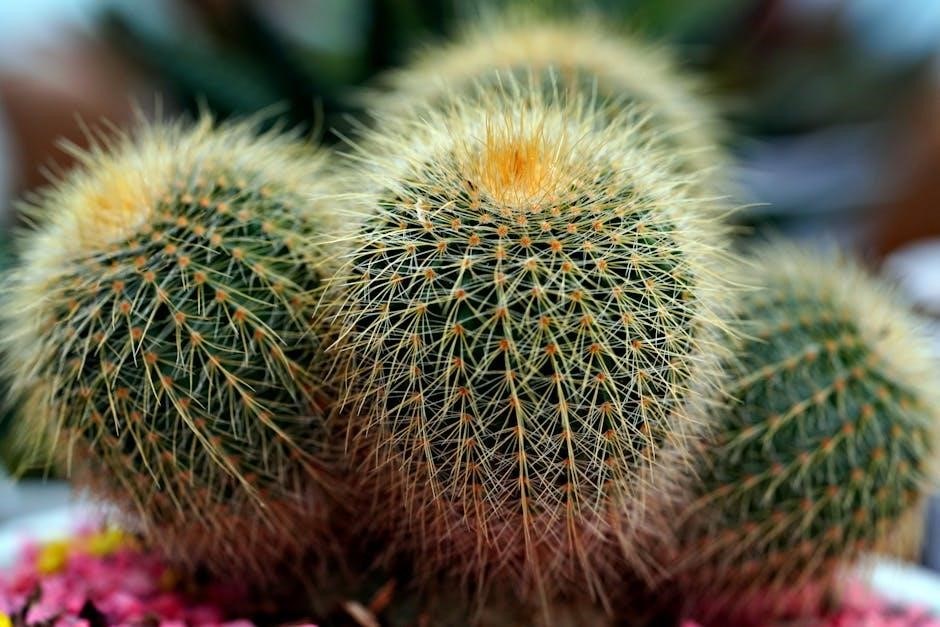
Mammillaria, or Pincushion cacti, are popular for their small size and numerous spines, while Opuntia (Prickly Pear) are recognized by their flattened pads․ Other notable groups include Notocactus, Parodia, Pilosocereus, and Rebutia, each possessing unique characteristics․
Even Espostoa and Ferocactus contribute to the family’s rich tapestry․ Understanding these groupings helps enthusiasts appreciate the breadth of cactus evolution and select plants suited to their preferences and growing conditions․
Cereus Cacti
Cereus cacti are distinguished by their columnar growth habit, often reaching impressive heights․ These cacti typically feature ribbed stems and areoles from which spines emerge, providing protection and aiding in water collection․ They can grow up to six feet tall, making them suitable for both indoor and outdoor cultivation, depending on climate․
Many Cereus species are relatively fast-growing compared to other cacti, adding to their appeal․ They prefer bright light and well-draining soil, mirroring the arid environments they naturally inhabit․ Their robust structure and relatively simple care requirements make them a popular choice for both beginner and experienced cactus enthusiasts․
Echinocactus Cacti
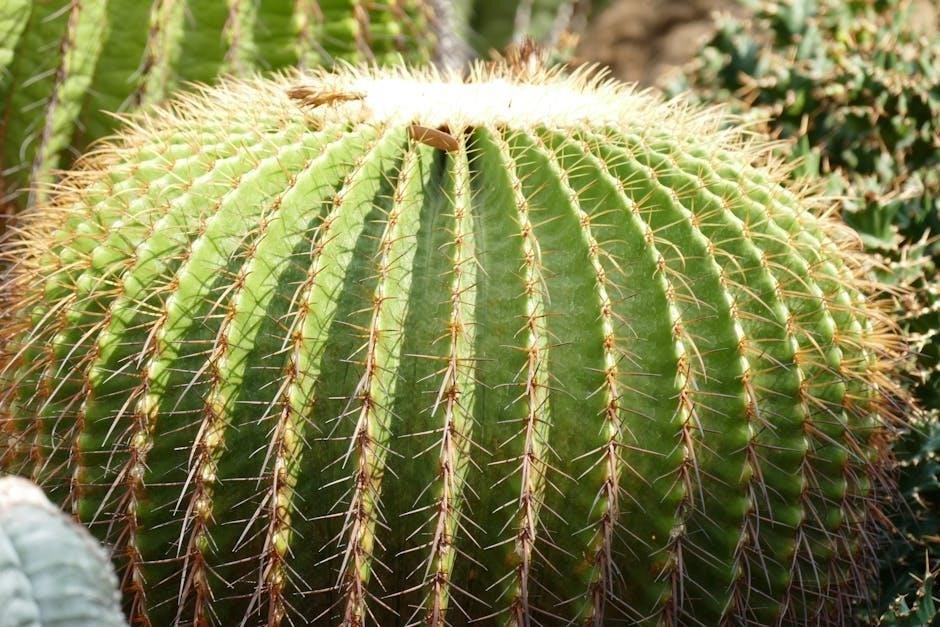
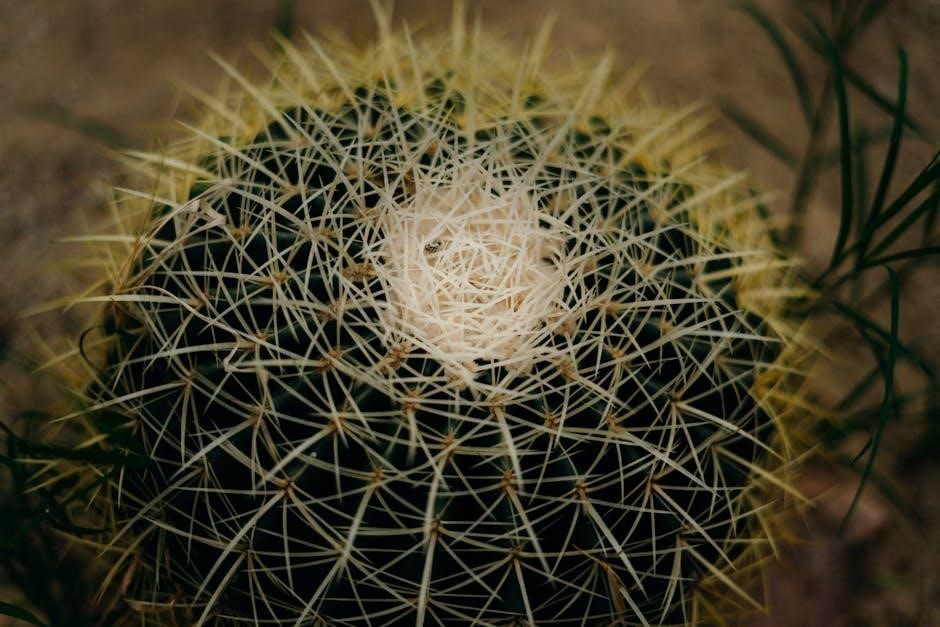
Echinocactus cacti are renowned for their robust, globular or cylindrical shapes and prominent ribs adorned with spines․ Often referred to as barrel cacti, these plants are well-adapted to arid environments, storing water efficiently within their substantial bodies․ They are a common sight in desert landscapes and are increasingly popular as ornamental plants․
Echinocactus species are generally slow-growing, but can live for many years, becoming impressive focal points in a cactus collection․ They require plenty of sunlight and exceptionally well-draining soil to thrive, mirroring their native habitats․ Their striking appearance and resilience make them a captivating addition to any garden or indoor space․
Mammillaria (Pincushion) Cacti

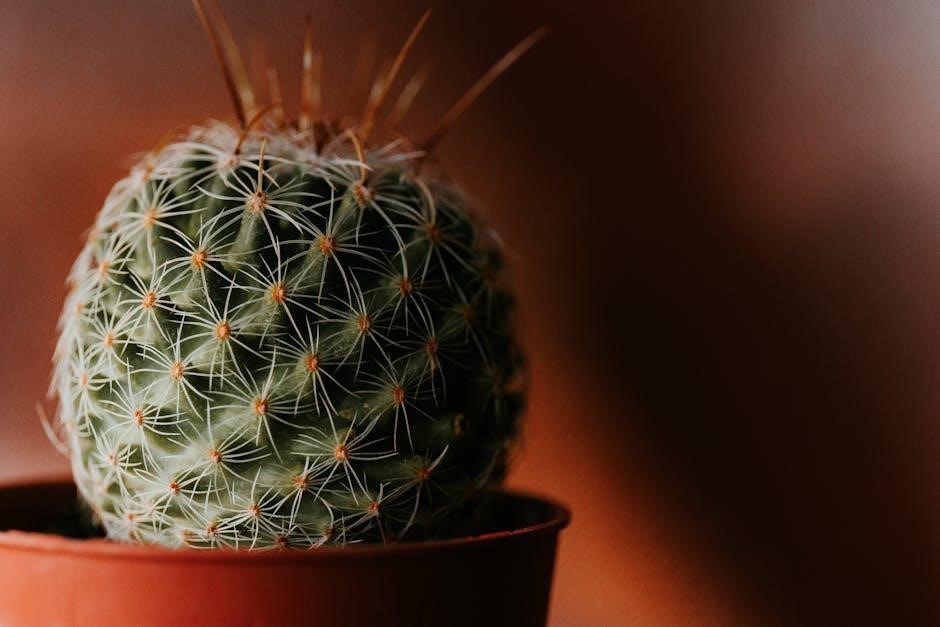
Mammillaria cacti, commonly known as pincushion cacti, are a diverse group celebrated for their small size and unique appearance․ These cacti are characterized by their tubercles, rather than ribs, which are covered in clusters of spines, resembling a pincushion․ They originate from various regions across Mexico and the southwestern United States․
Mammillaria species are relatively easy to care for, making them ideal for beginners․ They prefer bright, indirect light and well-draining soil․ Many varieties produce beautiful, ring-shaped flowers around their crown, adding a splash of color․ Their manageable size and charming aesthetic make them a popular choice for indoor collections and miniature desert landscapes․
Opuntia (Prickly Pear) Cacti
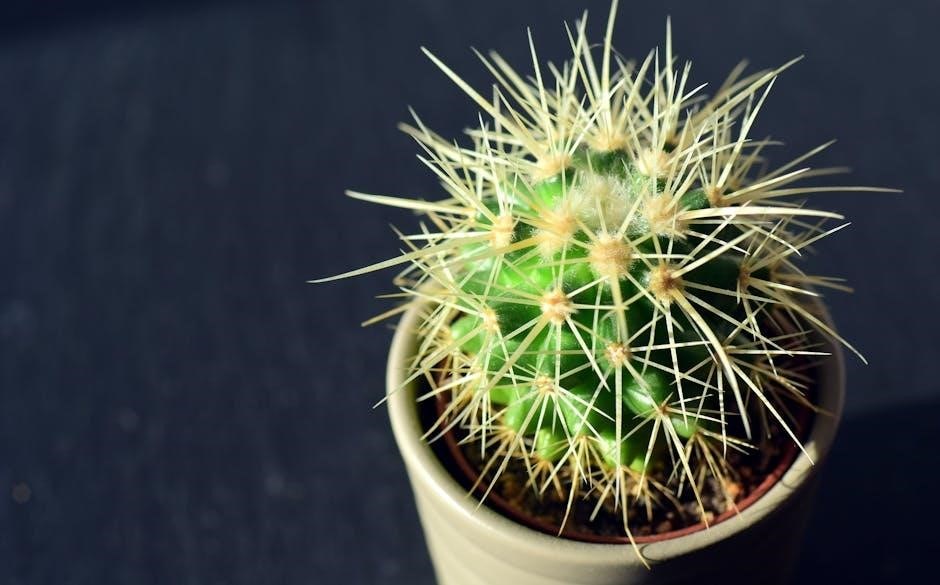
Opuntia cacti, widely recognized as prickly pear cacti, are a large and diverse genus native to the Americas․ They are distinguished by their flat, pad-like stems, known as cladodes, covered in spines and glochids – small, barbed bristles that easily detach․ These cacti exhibit remarkable adaptability, thriving in arid and semi-arid environments․
Interestingly, some Opuntia varieties are surprisingly cold-hardy, capable of surviving in regions with freezing temperatures․ Prickly pears are also known for producing edible fruits and pads, utilized in various culinary applications․ They require full sun and exceptionally well-draining soil to flourish, and are a striking addition to both outdoor landscapes and, with care, indoor collections․

Cactus Care: Essential Requirements
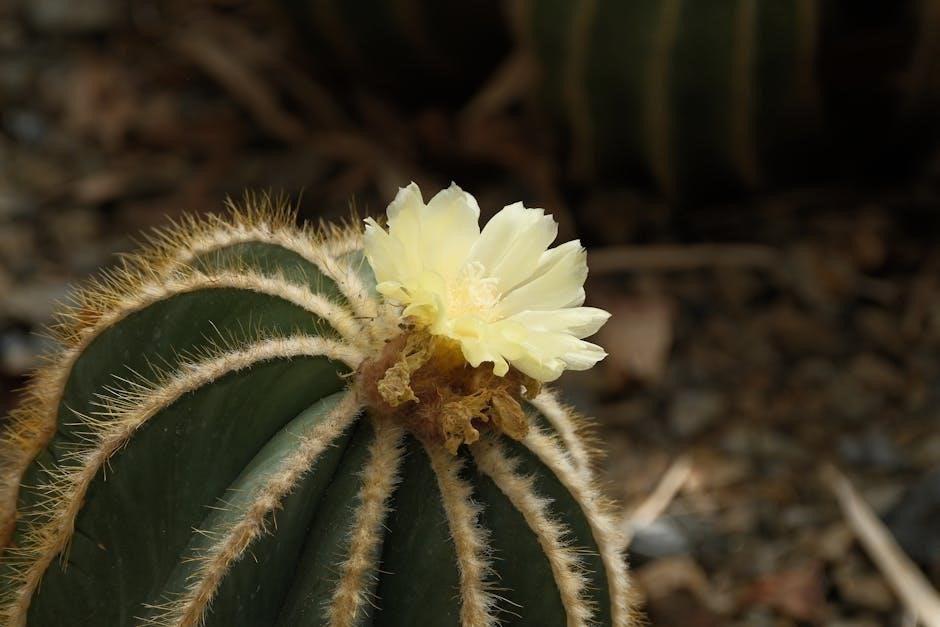
Success with cacti hinges on providing the right light, soil, water, and nutrients; these elements are crucial for healthy growth and vibrant displays․
Light Requirements for Healthy Cactus Growth
Cacti are sun-loving plants, and adequate light is paramount for their well-being and proper development․ Most cactus varieties thrive in bright, direct sunlight, ideally receiving at least six hours of sunlight daily․ Insufficient light can lead to etiolation, a condition where the cactus becomes elongated and pale as it stretches towards a light source․
When growing cacti indoors, a south-facing window is often the best location to provide ample sunlight․ However, be mindful of intense summer sun, which might scorch sensitive species․ If natural light is limited, consider supplementing with grow lights to ensure your cactus receives the necessary illumination․ Outdoor cacti generally benefit from full sun exposure, but some species may appreciate partial shade during the hottest part of the day, especially in arid climates․
Soil Composition: Ensuring Proper Drainage
Proper drainage is absolutely critical when cultivating cacti, as they are highly susceptible to root rot in overly moist conditions․ Standard potting soil retains too much water, making a specialized cactus or succulent mix essential․ These mixes typically consist of a blend of components designed to promote rapid water drainage and aeration․
Ideal soil compositions often include ingredients like coarse sand, perlite, pumice, and gravel․ These materials create air pockets within the soil, preventing waterlogging and allowing roots to breathe․ You can also amend regular potting soil by incorporating these drainage-enhancing elements․ Avoid using heavy clay soils, as they compact easily and impede drainage․ A well-draining soil mix is the foundation for a healthy and thriving cactus․
Watering Cacti: The Art of Avoiding Overwatering
Watering cacti requires a delicate balance; it’s far easier to underwater than to overwater․ Cacti are adapted to arid environments and store water within their tissues, making them drought-tolerant․ Overwatering leads to root rot, a common and often fatal issue․
The “soak and dry” method is recommended․ Water thoroughly when the soil is completely dry to the touch, then allow it to dry out completely before watering again․ Frequency will vary depending on the cactus species, pot size, climate, and season․ During the growing season (spring and summer), more frequent watering may be necessary, while winter requires significantly less․ Always ensure the pot has drainage holes to prevent water accumulation․
Feeding Your Cactus: Providing Essential Nutrients
While cacti are not heavy feeders, providing essential nutrients during the growing season (spring and summer) can promote healthy growth and flowering․ Use a balanced, water-soluble fertilizer specifically formulated for cacti and succulents․ A ratio of 10-10-10 or lower is generally recommended, as cacti are sensitive to high nitrogen levels․
Dilute the fertilizer to half or even quarter strength to avoid burning the roots․ Feed your cactus every 2-4 weeks during the active growing period․ Reduce or eliminate feeding during the dormant winter months․ Avoid getting fertilizer on the cactus body, as it can cause discoloration or damage․ Proper feeding, combined with adequate light and well-draining soil, will help your cactus thrive for years to come․
Cactus Varieties: Indoor and Outdoor Options
Explore a wide range of cacti, from cold-hardy prickly pears for outdoor landscapes to fairy castle and thimble cacti perfect for indoor enjoyment!
Cold-Hardy Cacti: Expanding Your Growing Zone
Contrary to popular belief, not all cacti are limited to arid desert environments․ Several varieties demonstrate remarkable cold hardiness, allowing cultivation in regions with freezing temperatures․ Prickly pear cacti (Opuntia) are prime examples, thriving even far north, showcasing adaptability to colder climates․
These resilient plants possess unique physiological adaptations enabling them to withstand frost and freezing conditions․ Successful cultivation hinges on providing adequate drainage to prevent root rot during winter moisture․ Selecting appropriate species suited to your specific USDA hardiness zone is crucial for long-term survival․
Expanding your growing zone with cold-hardy cacti introduces fascinating textures and forms to landscapes previously considered unsuitable for these iconic desert plants․ Careful planning and species selection unlock a world of possibilities for cactus enthusiasts in cooler regions․
Fairy Castle Cactus: A Unique and Manageable Choice
The Fairy Castle Cactus presents a captivating option for cactus enthusiasts seeking something truly distinctive․ Its unusual, turret-like protrusions give it a whimsical appearance, resembling a miniature castle – hence the name! These slow-growing cacti typically reach up to six feet in height, making them suitable for both indoor and outdoor settings․

Cultivation is relatively straightforward, requiring bright light and exceptionally well-draining soil․ They flourish in USDA zones 10-11, but can thrive indoors with proper care․ Their manageable size and relatively slow growth rate make them ideal for those with limited space or who prefer a less demanding plant․
This eye-catching plant doesn’t require extensive care, appealing to both beginners and experienced growers alike, adding a touch of magic to any collection․
Thimble Cactus: Miniature Cacti for Small Spaces
For those with limited space or a penchant for petite plants, the Thimble Cactus offers a delightful solution․ These miniature cacti, aptly named for their incredibly small size, are perfect for desktops, shelves, or terrariums․ They represent the smaller end of the cactus spectrum, easily fitting in the palm of your hand․
Despite their diminutive stature, Thimble Cacti possess all the charm and resilience of their larger counterparts․ They require similar care – bright light, well-draining soil, and careful watering to avoid overwatering․ Their compact size makes them an excellent choice for beginners․
Adding a touch of desert beauty to any indoor environment, these tiny treasures are a testament to the diversity and adaptability of the cactus family, proving big things come in small packages!
Saguaro Cactus: Iconic Desert Giants
The Saguaro Cactus (Carnegiea gigantea) stands as a symbol of the American Southwest, instantly recognizable for its towering stature and branching arms․ These majestic cacti are true desert giants, capable of reaching heights of up to 60 feet and living for over 150 years․
Native to the Sonoran Desert, Saguaros are slow-growing, taking decades to develop their characteristic arms․ They play a crucial role in the desert ecosystem, providing shelter and sustenance for a variety of wildlife․ Their white flowers bloom at night, attracting bats and other pollinators․
While typically found outdoors, their immense size makes them impractical for most indoor settings․ However, appreciating their iconic form and ecological importance is a key aspect of understanding the world of cacti․
Chin Cacti: Slow-Growing and Long-Lived
Chin cacti, belonging to the genus Gymnocalycium, are celebrated for their unique appearance and remarkably slow growth rate․ Originating from South America, these cacti are prized by collectors for their symmetrical shapes and beautiful flower displays․ Their growth is so gradual that they can be cherished for many years, gradually transforming and developing over decades․
These relatively small cacti typically reach a maximum size of around 6 inches in diameter, making them suitable for indoor cultivation․ They prefer bright, indirect light and well-draining soil, mirroring the needs of many other cactus varieties․

Their longevity and manageable size make Chin cacti an excellent choice for both beginner and experienced cactus enthusiasts seeking a long-term botanical companion․
Troubleshooting Common Cactus Problems
Addressing cactus issues involves identifying diseases, controlling pests, and knowing when and how to repot—essential steps for maintaining a thriving, healthy cactus collection․
Identifying and Addressing Cactus Diseases
Cactus diseases, while not always common, can impact plant health․ Root rot is a frequent issue, often stemming from overwatering and poor drainage, presenting as a soft, mushy base․ Fungal infections can manifest as spots or discoloration on the cactus body; these require prompt attention․
To address root rot, carefully remove the affected cactus, trim away any rotten roots, and replant in fresh, well-draining soil․ For fungal issues, improving air circulation and applying a fungicide can be effective․ Prevention is key – ensure proper watering practices and avoid damaging the cactus, as wounds can become entry points for pathogens․ Regularly inspect your cacti for any unusual changes, enabling early detection and treatment․
Pest Control for Cacti: Protecting Your Plants
Although resilient, cacti can occasionally fall victim to pests․ Mealybugs are common culprits, appearing as white, cottony masses, particularly in crevices․ Scale insects also attach themselves, resembling small bumps on the plant’s surface․ Spider mites, tiny and difficult to see, can cause stippling on the cactus․
Control often begins with manual removal – gently wiping away mealybugs and scale with a cotton swab dipped in rubbing alcohol․ For heavier infestations, insecticidal soap or neem oil can be effective․ Regularly inspect your cacti, especially new acquisitions, to catch infestations early․ Maintaining good air circulation and avoiding overwatering can also help prevent pest problems, fostering a healthier, more resistant plant․
Repotting Cacti: When and How to Do It
Repotting cacti is generally needed when they become root-bound, typically every 2-3 years․ Signs include roots circling the pot or the plant drying out quickly․ Spring or early summer is the best time for repotting, coinciding with the growing season․
To repot, choose a pot only slightly larger than the previous one, ensuring excellent drainage․ Protect your hands with thick gloves or wrap the cactus in newspaper․ Gently remove the cactus, loosening any circling roots․ Use a well-draining cactus potting mix and avoid watering immediately after repotting; wait about a week to allow any damaged roots to heal, preventing rot․