Vermont Castings Defiant 1975: A Comprehensive Guide
This detailed guide unlocks the full potential of your Vermont Castings Defiant 1975 stove, offering insights from user manuals and parts diagrams for optimal performance.
Explore features, applications, and troubleshooting solutions, ensuring years of reliable warmth and enjoyment from this classic heating appliance, as detailed in available resources.
The Vermont Castings Defiant 1975 represents a pinnacle of wood-burning stove design, blending robust construction with efficient heating capabilities. This introduction serves as a gateway to understanding and maximizing the benefits of your stove, drawing upon available user manuals and resources. Originally released in 1975, the Defiant quickly gained recognition for its durability and ability to provide substantial heat, even in colder climates.
This guide aims to demystify the operation and maintenance of the Defiant 1975, offering a comprehensive overview for both seasoned wood stove owners and those new to this heating method. We will delve into its key features, proper installation procedures, and essential safety precautions. Understanding the intricacies of your stove, as outlined in the original documentation, is crucial for safe and efficient operation. Accessing parts diagrams and troubleshooting solutions will empower you to address any issues that may arise, ensuring years of reliable service from your Vermont Castings Defiant 1975.
Historical Context of Vermont Castings
Vermont Castings emerged in 1975, capitalizing on a growing desire for efficient and aesthetically pleasing wood heating solutions amidst the energy crises of the decade. The company quickly distinguished itself by reviving traditional cast iron stove manufacturing techniques, offering a compelling alternative to modern steel stoves. Their commitment to quality craftsmanship and classic designs resonated with homeowners seeking both functionality and timeless appeal.
The Defiant model became a flagship product, embodying Vermont Castings’ dedication to durable, high-performance stoves. The 1975 release coincided with increased interest in self-sufficiency and renewable energy sources. User manuals from this era reflect a focus on maximizing fuel efficiency and providing reliable heat; Vermont Castings’ success wasn’t merely about building stoves; it was about fostering a lifestyle centered around the warmth and ambiance of a wood fire, a legacy that continues today, as evidenced by the enduring popularity and available documentation for models like the Defiant.
Defiant 1975: Key Features and Specifications
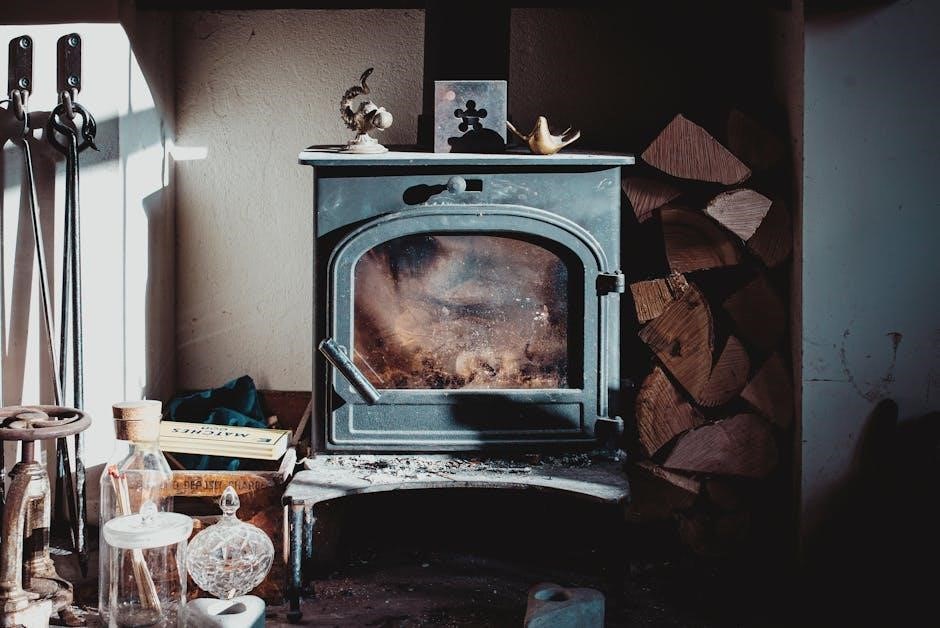
The Vermont Castings Defiant 1975 boasts a robust cast iron construction, designed for longevity and efficient heat retention. Key features include a large viewing window, allowing for a captivating fire view, and a convenient ash pan for easy cleanup. Its nominal heating capacity typically ranges from 800 to 1,200 square feet, making it suitable for medium-sized homes.
Specifications include dimensions of approximately 28” wide, 32” high, and 24” deep, with a weight exceeding 300 pounds. The stove accepts wood logs up to 24 inches in length. The Defiant 1975 incorporates a secondary combustion system, enhancing burn efficiency and reducing emissions. User manuals detail these specifications, emphasizing proper operation for optimal performance and safety, making it a reliable heating source for decades.
Understanding the Defiant 1975 Design
The Vermont Castings Defiant 1975’s design prioritizes both functionality and aesthetic appeal. Its classic, free-standing form integrates seamlessly into various home decors. The stove features a top and rear flue outlet, offering installation flexibility. Internal baffling directs airflow for complete combustion, maximizing heat output and minimizing smoke.
The large firebox accommodates substantial wood loads, reducing refueling frequency. The door’s airtight seal is crucial for maintaining consistent burn rates and preventing heat loss. User manuals highlight the importance of understanding these design elements for safe and efficient operation. The Defiant 1975’s design reflects a commitment to quality craftsmanship and enduring performance, ensuring years of reliable warmth.
Materials Used in Construction
The Vermont Castings Defiant 1975 is primarily constructed from high-grade cast iron, renowned for its durability and heat retention capabilities. This robust material ensures longevity and consistent performance, even under demanding conditions. Internal components, like the baffle and firebox liner, also utilize cast iron for optimal heat management.
Gaskets, crucial for airtight seals, are typically made from high-temperature fiberglass or ceramic rope. These materials withstand the intense heat and prevent smoke leakage. The door glass is constructed from heat-resistant ceramic glass, providing a clear view of the fire while maintaining safety. User manuals emphasize the importance of understanding these material specifications for proper maintenance and replacement, ensuring continued safe operation.
Installation and Setup
Proper installation of your Vermont Castings Defiant 1975 is paramount for safe and efficient operation. The user manual stresses adherence to local building codes and manufacturer’s guidelines. A dedicated hearth pad, constructed of non-combustible material, is essential to protect your flooring. Clearances to combustible walls and ceilings must be strictly observed, as detailed in the installation instructions.

Setup involves connecting the stove to a suitable venting system, typically a Class A chimney. Ensure the chimney is properly sized and installed to prevent backdrafting. Leveling the stove is crucial for optimal door sealing and operation. Carefully review the manual for specific requirements regarding floor protection, chimney height, and venting configurations before proceeding with installation.
Initial Inspection and Preparation
Before first use, a thorough inspection of your Vermont Castings Defiant 1975 is vital. Carefully examine all components for shipping damage, referencing the parts diagram in the manual. Verify that all gaskets are intact and properly seated around the door and glass. Ensure the baffle system is correctly positioned, as this impacts combustion efficiency.
Preparation includes a ‘burn-off’ fire to cure the stove’s internal components. This initial firing should be small and gradual, allowing the paint to fully set and any residual manufacturing oils to burn away. The manual advises opening windows for ventilation during this process. This burn-off minimizes initial smoke and prepares the stove for long-term, efficient heating.
Proper Placement and Venting
Correct placement and venting are paramount for safe and efficient operation of your Defiant 1975. The manual stresses maintaining proper clearances to combustible materials – walls, flooring, and furniture – as specified in the installation guidelines. A professional installation is highly recommended to ensure adherence to local building codes.

Venting systems must be appropriately sized and installed. The Defiant 1975 requires a dedicated flue, and the manual details specific chimney height and diameter requirements for optimal draft. Improper venting can lead to smoke backdraft, carbon monoxide buildup, and reduced heating performance. Regular chimney inspections are crucial for continued safe operation.
Operating Instructions

Before initial use, thoroughly review the Defiant 1975’s operating instructions. The manual emphasizes the importance of a well-established fire bed for efficient combustion. Begin with small, dry kindling, gradually adding larger pieces of seasoned wood. Avoid overloading the firebox, as this restricts airflow and creates excessive smoke.
Air controls are key to managing burn rate and heat output. The manual details how to adjust primary and secondary air intakes to achieve desired flame characteristics and maintain optimal combustion. Experiment with different settings to find the balance that suits your heating needs and fuel type. Always monitor the stove during operation.
Starting a Fire – Best Practices
Successful fire starting with your Defiant 1975 relies on proper technique. The manual recommends a “top-down” fire building method for cleaner, more efficient burns. Begin by layering larger wood pieces at the bottom, followed by kindling, and finally, small, easily ignited tinder on top.
Ensure adequate airflow by fully opening the air controls initially. Once the tinder ignites, allow the flames to establish themselves before gradually adding more kindling. Avoid smothering the fire with too much wood too soon. Patience is crucial for building a sustainable fire bed. Refer to the manual’s illustrations for visual guidance.
Controlling Airflow for Optimal Burn
The Defiant 1975’s air controls are vital for regulating burn rate and heat output. The manual details two primary air controls: a primary air intake located beneath the firebox and a secondary air intake above the door. Adjusting these controls influences combustion efficiency and smoke production.
For a quick start-up, fully open both air controls. Once the fire is established, gradually reduce the primary air to maintain a steady burn. The secondary air control introduces preheated oxygen, promoting cleaner combustion and reducing creosote buildup. Experiment with different settings to find the optimal balance for your fuel type and desired heat level, always referencing the manual’s guidance.
Fuel Types and Recommendations
The Vermont Castings Defiant 1975 is designed to burn seasoned hardwoods, providing the most efficient and clean-burning heat. Recommended wood types include oak, maple, birch, and ash, with moisture content ideally below 20%. The manual strongly advises against burning softwoods like pine or fir, as they produce excessive creosote;
Avoid using treated wood, painted wood, or any wood containing foreign materials. These can release harmful toxins and damage the stove. Coal is generally not recommended for this model. Proper wood storage is crucial; keep wood covered and dry to ensure optimal burning characteristics and minimize smoke. Always consult the manual for specific fuel guidelines.
Maintenance and Cleaning
Regular maintenance is vital for the longevity and efficient operation of your Vermont Castings Defiant 1975. The manual emphasizes weekly ash removal, utilizing a metal container with a tight-fitting lid for safe disposal. Inspect the stovepipe and chimney at least twice annually, or more frequently with heavy use, to prevent creosote buildup.
Periodically check and replace gaskets around the door and glass, ensuring a tight seal for optimal combustion. Clean the glass with a specialized stove glass cleaner to avoid scratching. The manual details procedures for cast iron care and seasoning, preserving its protective layer. Consistent cleaning and inspection, as outlined, will maximize performance.
Ash Removal Procedures
Safe and proper ash removal is crucial when operating your Vermont Castings Defiant 1975. The user manual strongly advises allowing ashes to cool completely – potentially for several days – before handling. Always use a metal container, equipped with a tight-fitting lid, for ash disposal, preventing accidental fires.
Avoid using a vacuum cleaner, as fine ash particles can damage the motor and pose a fire hazard. Carefully scoop out ashes, leaving a thin layer for insulation. The manual highlights the importance of storing the metal container away from combustible materials. Regular ash removal maintains efficient airflow and optimal burning performance.
Inspecting and Replacing Gaskets
Maintaining airtight seals is vital for your Vermont Castings Defiant 1975’s efficiency, and gaskets play a key role. Regularly inspect the door gasket and glass gaskets for wear, cracks, or deterioration – typically during annual maintenance. The user manual recommends checking these seals before each heating season.
A simple test involves closing the door on a dollar bill; if it slides out easily, the gasket likely needs replacing. Replacement gaskets are readily available and relatively easy to install, following the instructions in the manual. Proper gasket sealing prevents smoke leakage and ensures optimal heat output, contributing to a cleaner and more efficient burn.
Cast Iron Care and Seasoning
Proper cast iron care is essential for the longevity and performance of your Vermont Castings Defiant 1975. New stoves, and those after extensive cleaning, benefit from a seasoning process. This involves burning small, hot fires to create a layer of carbon buildup, protecting the iron from rust and improving efficiency.
The manual suggests avoiding rapid temperature changes which can cause thermal shock and cracking. Regular use naturally seasons the cast iron, but occasional application of stove polish can enhance its appearance and protection. Avoid harsh chemicals or abrasive cleaners; a soft brush and mild soap are sufficient for cleaning. Consistent care ensures your Defiant 1975 remains a reliable heat source for years.
Troubleshooting Common Issues
Addressing issues promptly maintains your Vermont Castings Defiant 1975’s efficiency. Smoke backdrafts often indicate insufficient draft, potentially caused by obstructions in the chimney or improper venting. Slow or uneven heating can stem from inadequate fuel load, incorrect airflow settings, or a buildup of ash.
Cracks in the cast iron, while sometimes cosmetic, require careful inspection; larger cracks may necessitate professional repair or part replacement. The user manual details diagnostic steps for these problems. Regularly checking gaskets for wear and tear is crucial, as leaks reduce heating performance. Remember to consult the parts diagram for accurate component identification when addressing repairs.
Addressing Smoke Backdraft

Smoke backdraft in your Vermont Castings Defiant 1975 signals a disruption in the chimney’s draft. First, verify the chimney is unobstructed – creosote buildup or bird nests are common culprits. Ensure proper venting; cold chimney flues create downward pressure.
Insufficient air supply to the stove can also cause backdrafting. Experiment with slightly opening a window near the stove to improve airflow. The manual recommends checking the damper settings and ensuring they aren’t overly restrictive. If the issue persists, a professional chimney sweep inspection is advised to rule out structural problems or downdrafts caused by nearby structures.
Resolving Slow or Uneven Heating
Slow or uneven heating in your Vermont Castings Defiant 1975 often points to fuel quality or airflow issues. Ensure you’re using seasoned hardwood with a moisture content below 20%. Wet wood drastically reduces heat output.
Proper airflow control is crucial. The manual suggests experimenting with the air intake vents to find the optimal setting for your fuel type and chimney draft. A fully open damper doesn’t always equate to maximum heat; Check for obstructions blocking airflow within the stove itself. If problems continue, verify the door gaskets are sealing correctly to prevent air leaks and ensure efficient combustion.
Dealing with Cracks in Cast Iron
Cracks in the cast iron of your Vermont Castings Defiant 1975 are a serious concern, potentially leading to dangerous gas leaks. Small, non-expanding cracks may be monitored, but any crack exhibiting growth or those near seams require immediate attention.
The manual advises against attempting self-repair of significant cracks. Welding cast iron is specialized and often ineffective. Contact a qualified stove technician for assessment and potential replacement of the affected component. Overfiring the stove, or rapid temperature fluctuations, can contribute to cracking. Maintaining moderate burn temperatures and avoiding excessive airflow can help prevent future issues.
Parts Diagram and Replacement
Locating a comprehensive parts diagram is crucial for maintaining your Vermont Castings Defiant 1975. These diagrams, often found within user manuals or online resources, detail every component, from the baffle plate to the door gasket. Identifying the correct part number is essential when ordering replacements.
Sourcing replacement parts can be achieved through Vermont Castings directly, authorized dealers, or specialized stove parts retailers. Common replacement items include gaskets, firebricks, and air controls. Always verify compatibility with the 1975 Defiant model before purchasing. Careful attention to the diagram ensures accurate ordering and a successful repair, restoring your stove to optimal functionality.
Identifying Key Components
Understanding the core components of your Vermont Castings Defiant 1975 is fundamental for maintenance and repair. Key elements include the firebox, responsible for combustion; the baffle plate, enhancing efficiency; and the air controls, regulating airflow. The door, complete with glass and a gasket, seals the firebox, while the ash pan collects residue.
The stovepipe and flue connect to the chimney, venting exhaust gases. Firebricks line the firebox, protecting the cast iron. Familiarizing yourself with these parts, often illustrated in the user manual’s parts diagram, allows for targeted inspections and efficient troubleshooting, ensuring safe and effective operation of your Defiant 1975.
Sourcing Replacement Parts
Maintaining your Vermont Castings Defiant 1975 often requires replacing worn components. Several avenues exist for sourcing these parts, including dedicated Vermont Castings retailers and online suppliers specializing in antique stove parts. The user manual frequently lists part numbers, simplifying the identification process.
Online marketplaces can offer a wider selection, but verifying compatibility is crucial. When ordering, provide the model number (Defiant 1975) and specific part details. Consider joining online forums dedicated to Vermont Castings stoves; members often share sourcing information and advice. Always prioritize genuine Vermont Castings parts or high-quality replacements to ensure optimal performance and longevity.
Safety Precautions
Operating your Vermont Castings Defiant 1975 demands strict adherence to safety guidelines. Paramount is the risk of carbon monoxide poisoning; install and maintain a working carbon monoxide detector in the vicinity of the stove. Never store flammable materials near the appliance, and ensure proper ventilation during operation.
Always use a fireplace screen to prevent sparks from escaping. Exercise extreme caution when handling hot surfaces, utilizing appropriate gloves and tools. Proper ash disposal is critical; allow ashes to cool completely before placing them in a metal container with a lid, away from combustible materials. Consult the user manual for detailed safety instructions and heed all warnings to prevent accidents and ensure safe operation.
Carbon Monoxide Awareness

Carbon monoxide (CO) is a silent, odorless, and deadly gas produced by incomplete combustion. Your Vermont Castings Defiant 1975, if improperly installed or maintained, can pose a CO risk. A working carbon monoxide detector is absolutely essential and should be installed on every level of your home, especially near sleeping areas.
Recognize the symptoms of CO poisoning: headache, dizziness, weakness, nausea, vomiting, chest pain, and confusion. If anyone experiences these symptoms, immediately evacuate the premises and call emergency services. Regular chimney inspections and cleaning are vital to prevent blockages that can cause CO buildup. Never ignore a chirping CO detector – it’s a critical warning sign!
Safe Ash Disposal Methods
Proper ash disposal is crucial for fire safety; Ashes from your Vermont Castings Defiant 1975 can retain heat for days, presenting a significant burn risk. Always allow ashes to cool completely – ideally for several days – before handling. Transfer cooled ashes to a metal container with a tight-fitting lid.
Never dispose of ashes in combustible containers like cardboard boxes or plastic bins. Store the metal container outdoors, away from flammable materials, until final disposal. Wet the ashes down slightly to further reduce the risk of embers reigniting. Check local regulations regarding ash disposal; some areas prohibit disposal in regular trash.